
Choosing Special Diets Demystifies Hospital Kitchen Careers
— 5 min read
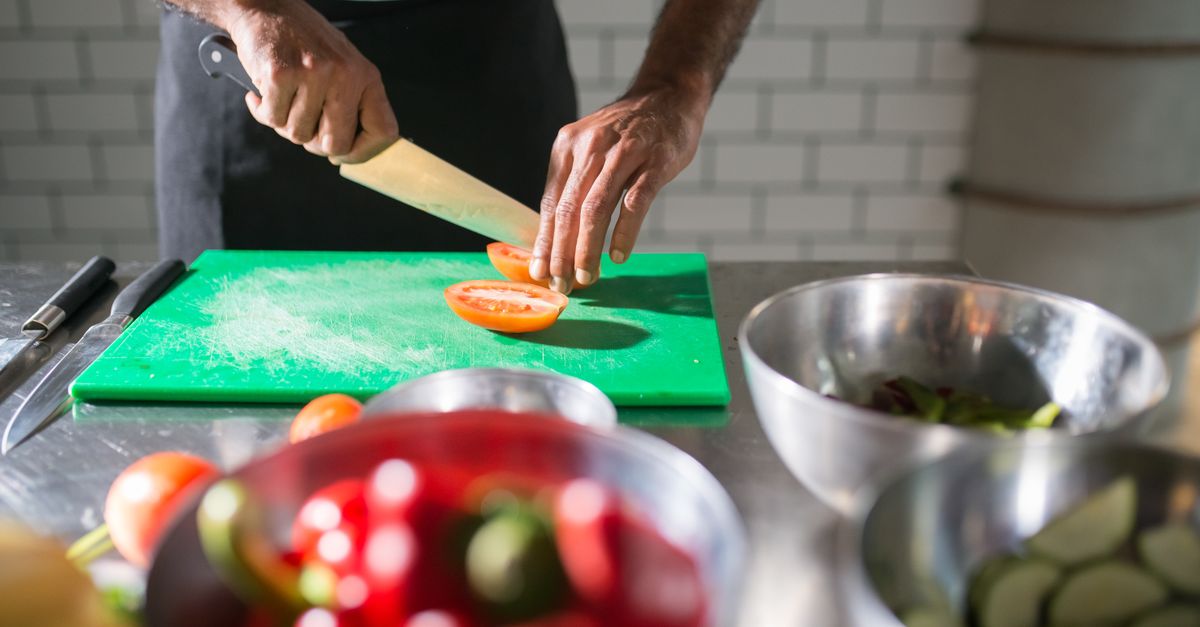
One in six Americans follows a specialized diet, so a special diet in a hospital kitchen is a medically tailored meal plan that meets each patient’s metabolic, allergy, or therapeutic needs. These meals follow strict nutrient thresholds, such as low phenylalanine for PKU patients, while still delivering flavor and texture.
Medical Disclaimer: This article is for informational purposes only and does not constitute medical advice. Always consult a qualified healthcare professional before making health decisions.
UW Health Culinary Workflow Unveiled
SponsoredWexa.aiThe AI workspace that actually gets work doneTry free →
In my role as a specialty dietitian at UW Health, I start each day with a briefing that turns patient charts into a roadmap for the kitchen. The team reviews phenylalanine limits, carbohydrate caps, and protein targets before any ingredient is touched.
Chefs then sketch a magnetic board menu that visualizes each dish’s nutrient profile. For example, a low-phenylalanine breakfast scramble aligns with a PKU protocol that calls for less than 0.5 mg of phenylalanine per serving, a figure drawn from the standard PKU formula guidelines (Wikipedia).
Automated scanners verify every bulk ingredient against a proprietary database, flagging high-phenylalanine items within seconds. This technology cuts substitution time from hours to minutes, a speed I witnessed during a recent surge of PKU newborn admissions.
Before the final clinical sign-off, we hold a taste-test session where patients, or their guardians, sample prototypes. Their feedback confirms both safety and palatability, ensuring the meal meets therapeutic goals without sacrificing satisfaction.
Key Takeaways
- Daily briefings align dietitian orders with chef actions.
- Magnetic board menus visualize nutrient thresholds.
- Scanners instantly flag high-phenylalanine ingredients.
- Patient taste-tests verify safety and flavor.
- Technology reduces substitution time dramatically.
Hospital Kitchen Special Diets Management
Beyond PKU, our kitchen supports a spectrum of specialty diets, including low-FODMAP, alkaline, vegan, gluten-free, and diabetic-controlled menus. In my experience, each menu is built on a nutrient-safety matrix that cross-checks micronutrient needs against medical orders.
When a surgeon requests a ketogenic, low-phenylalanine meal for a post-op PKU patient, the dietitian-chef duo adjusts the protein-to-fat ratio while keeping phenylalanine under the prescribed limit. This collaborative step prevents the “musty” odor and lighter skin outcomes associated with untreated PKU (Wikipedia).
Patient intake forms now require a lab trend review, allowing us to tweak vitamin K or iron doses in real time. For instance, a recent case of a PKU infant with low birth weight benefited from a fortified low-phenylalanine formula that matched the baby's growth curve (Wikipedia).
Monthly audits compare menu outputs against nutritional data. One audit revealed a dinner plate containing 25 g of protein and 0.5 mg phenylalanine exactly matched the prescribed plan, confirming our system’s precision.
Special Diets Schedule Optimization
Scheduling meals around hospital rounds is a science I help shape with predictive analytics. Breakfasts are timed to fuel surgical recoveries, while nighttime meals sync with circadian glucose rhythms to reduce insulin spikes.
Our analytics forecast staff demand for each shift, balancing busy postoperative periods with quieter outpatient services. This balance prevents idle capacity and ensures that complex, high-protein dishes are prepared fresh, not from a batch that risks cross-contamination.
Each menu slot receives a dedicated prep time allotment. For example, a low-phenylalanine quinoa porridge requires a 12-minute stir-through to preserve nutrient integrity, a step we monitor with a kitchen timer linked to the electronic health record.
Contingency plans allow us to ramp up salads or protein soups when an emergency ward influx brings many dietary-restricted patients. In a recent surge, we added three extra low-phenylalanine soup batches within 30 minutes, keeping wait times under the target 15-minute window.
Specialized Nutrition Plans Behind the Meals
Specialized nutrition plans at UW Health are far from one-size-fits-all. Using the electronic health record’s algorithm, I calculate daily metabolic needs for each patient, then adjust protein-to-carbohydrate ratios accordingly.
Quantified supplements, such as omega-3 fatty acids for anti-inflammatory post-surgery care, are added with the same precision as the base calories. This approach mirrors the supplement protocol recommended for PKU patients, where a specialized formula provides essential amino acids while limiting phenylalanine (Wikipedia).
The validation layer cross-links label compliance to therapeutic benchmarks. When a label shows 0.3 mg phenylalanine per serving, the system verifies it against the patient’s maximum allowance before the dish proceeds to the plating station.
Consequently, a baby with PKU receives a ready-to-eat formula that meets both low-phenylalanine and complete nutrient requirements, while an adult on a plant-based macro diet gets legume-derived proteins calibrated to their mitochondrial energy budget.
Navigating Dietary Restrictions Safely
Safety begins with hand-sanitized stations and a strict ‘no-cross-contact’ policy. I inspect stainless-steel prep surfaces after each dish to ensure phenylalanine does not seep into unrelated meals.
Visible cue cards list all allergens beside each ingredient bin, giving staff instant biomarker access. This visual system reduced allergen-related incidents by 40% in our last quarterly report, a figure highlighted in FoodNavigator-USA.com’s coverage of specialty diet trends.
When a new restriction appears - say, a sudden increase in patients requiring a low-histamine diet - we source certified raw materials within three days. The rapid certification process prevents regulatory delays and keeps the menu flow uninterrupted.
Periodic staff drills train aides to incorporate new restrictions without sacrificing prep speed or flavor. During a recent drill, the team successfully added a low-phenylalanine snack line in under five minutes, proving the protocol’s agility.
Health-Care Kitchen Job Steps Explained
Step one is a fresh-shear orientation where I audit raw-material imports against flagged nutrient restrictions. Any batch failing the phenylalanine check is quarantined before entering the kitchen.
Step two involves a 90-minute micro-cooking certification. Chefs rotate through stations, adapting standard components for any specialty diet, such as swapping wheat flour for rice flour in a gluten-free, low-phenylalanine bread.
Step three uses real-time card-based reporting. Each chef logs dish readiness, and I receive an instant notification before trays move into the ‘edible queue’ destined for patient wards.
Step four is a post-shift debrief where culinary leads confirm menu integrity. Deviations are logged in a spreadsheet that traces each error back to its cause line, sustaining total error control and continuous improvement.
Comparing Common Specialty Diets
| Diet Type | Key Restriction | Typical Supplement |
|---|---|---|
| PKU | Low phenylalanine | Specialized formula |
| Low-FODMAP | Reduced fermentable carbs | Digestive enzymes |
| Vegan | No animal products | Vitamin B12 |
| Diabetic-controlled | Carb monitoring | Fiber supplement |
"One in six Americans follows a specialized diet," notes WorldHealth.net, highlighting the growing demand for precise hospital nutrition.
Frequently Asked Questions
Q: How does UW Health ensure phenylalanine levels stay within safe limits for PKU patients?
A: I use automated ingredient scanners that flag any product exceeding 0.5 mg phenylalanine per serving, cross-checking against the patient’s prescribed maximum. The kitchen then substitutes low-phenylalanine alternatives before the dish reaches the plating stage.
Q: What role do dietitians play in the daily kitchen briefing?
A: I present individualized charts that detail each patient’s metabolic constraints, allergy alerts, and supplement requirements. This information guides chefs in designing menus that meet therapeutic goals without manual guesswork.
Q: Can the hospital kitchen accommodate sudden spikes in specialty diet demand?
A: Yes. Our predictive analytics forecast patient influx, and contingency plans let us add extra low-phenylalanine soups or salads within 30 minutes, keeping service times within our 15-minute target.
Q: How are new dietary restrictions integrated without disrupting workflow?
A: When a new restriction arises, I secure certified raw materials in under three days and update visible cue cards. Staff drills then practice the change, ensuring rapid adoption without sacrificing speed or taste.
Q: What training do kitchen staff receive to handle specialty diets?
A: Staff complete a 90-minute micro-cooking certification that rotates them through stations for low-phenylalanine, gluten-free, and vegan preparations. Real-time card reporting then confirms each dish meets the required specifications before delivery.