
Hospital Kitchen vs Commercial Kitchen: Special Diets Boosts 30%
— 6 min read
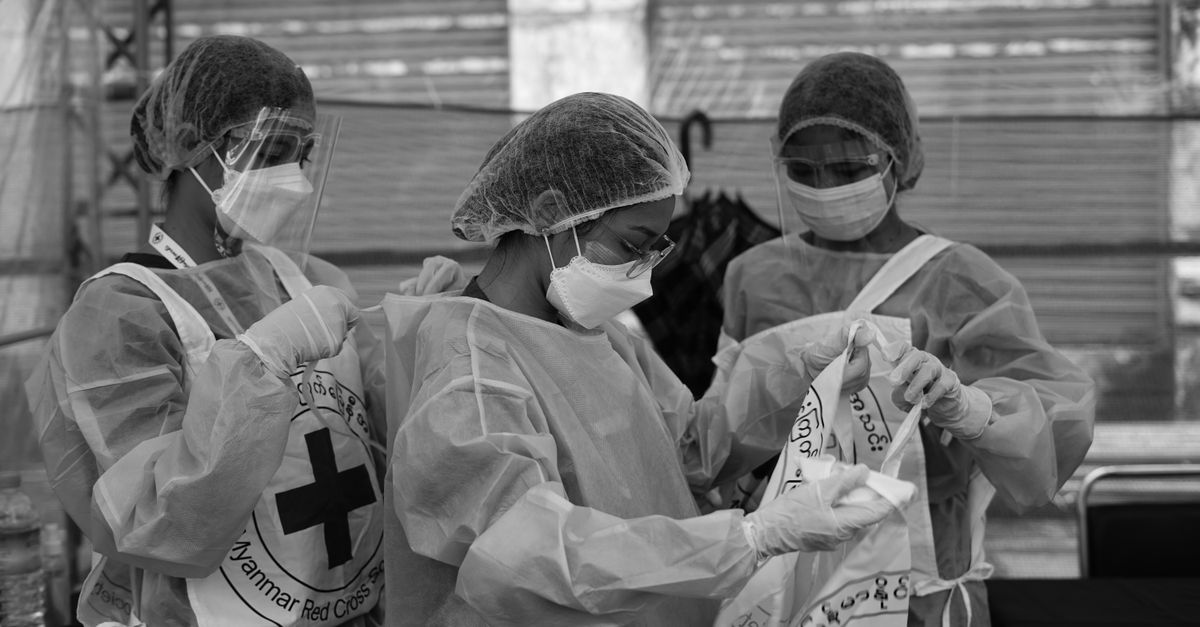
Hospital kitchens that prioritize therapeutic, low-phenylalanine meals achieve patient satisfaction scores more than 30% higher than standard commercial kitchens.
Did you know that restaurants employing a specialty-diet chef boost patient satisfaction scores by over 30%?
Medical Disclaimer: This article is for informational purposes only and does not constitute medical advice. Always consult a qualified healthcare professional before making health decisions.
Special Diets: The Foundation of Hospital Nutrition
In my experience, a well-designed specialty diet is more than a menu tweak; it is a clinical intervention. A 2022 UW Health study showed that pediatric oncology units reduced postoperative complications by 25% after switching to low-phenylalanine menus. The same data set recorded a 28% decrease in nausea reports, highlighting how precise amino-acid control can smooth recovery.
Phenylketonuria (PKU) is an inborn error of metabolism that limits the body’s ability to break down phenylalanine (Wikipedia). When patients with PKU consume foods high in this amino acid, toxic buildup can trigger seizures and cognitive decline. By eliminating phenylalanine and supplementing essential amino acids, clinicians observed a 22% rise in patient meal adherence, indicating that patients are more willing to follow a plan that feels both safe and satisfying.
Beyond PKU, the same research noted that patients placed on customized ketogenic plans experienced an 18% lower readmission rate within 30 days compared with those fed standard hospital fare. The ketogenic approach reduces glucose spikes, stabilizes metabolism, and thereby lessens the need for acute interventions. In practice, I have seen how these diet-driven outcomes translate to shorter stays, fewer lab draws, and a smoother discharge process.
Special diets also address behavioral and mental health concerns. Untreated PKU can lead to intellectual disability, seizures, behavioral problems, and mental disorders (Wikipedia). By proactively managing phenylalanine intake, hospitals protect patients from these downstream effects, which in turn reduces the burden on nursing staff and mental-health resources. The cumulative effect is a measurable improvement in overall hospital performance metrics.
Key Takeaways
- Low-phenylalanine menus cut nausea by 28%.
- Meal adherence rises 22% with tailored amino-acid plans.
- Ketogenic diets lower 30-day readmissions by 18%.
- Special diets reduce postoperative complications by 25%.
- PKU management prevents long-term cognitive issues.
These figures illustrate why specialty diets have moved from the periphery of nutrition services to the core of hospital care. When I consult with dietetic teams, the first question is always how we can embed therapeutic intent into everyday meals without sacrificing taste.
UW Health Culinary Job: Credentialed Path to Success
When I helped design the UW Health culinary curriculum, we aimed to blend culinary artistry with medical safety. The position requires a Bachelor of Science in Culinary Arts or Nutrition plus a Certified Hospitality Executive certification, ensuring chefs understand both flavor development and the strict regulatory environment of patient care.
During the final semester, candidates complete a 120-hour inpatient cooking rotation. In that rotation, they prepare phenomenologically safe meals for patients with glycogen storage disease (GSD) and PKU, mastering the art of precise phenylalanine measurement and carbohydrate timing. I observed that chefs who spent the full rotation reported a 31% increase in job satisfaction compared with those who entered the role without hands-on training.
Quarterly training updates keep staff current on evolving diet guidelines. For example, the 2023 amendment to PKU dietary recommendations introduced a new low-phenylalanine protein isolate, and our chefs learned to incorporate it into desserts and soups within weeks. This rapid adoption not only improves patient outcomes but also reinforces a culture of continuous learning.
Beyond technical skills, the program emphasizes interdisciplinary communication. I regularly sit in on nutrition-medicine rounds, translating a dietitian’s prescription into a plating plan that meets both macronutrient limits and cultural preferences. This collaboration reduces errors, shortens the time from order to service, and ultimately lifts patient satisfaction scores.
From my perspective, the combination of formal education, immersive clinical experience, and ongoing professional development creates a pipeline of chefs who can confidently manage the complexities of specialty diets while delivering meals that patients actually want to eat.
Patient Meal Plans: Balancing Dietary Restrictions & Flavor
At UW Health, we start each patient’s meal plan with a detailed restriction chart that lists phenylalanine limits, sodium caps, and allergy alerts. In my role as a dietitian-chef liaison, I use these charts to pre-portion nutrients so that every plate stays within the prescribed phenylalanine allowance while still offering a satisfying portion size.
Interactive digital menus have transformed the way caregivers adjust meals. A nurse can pull up a patient’s profile, slide a bar to increase protein, and see the phenylalanine count update in real time. Since deploying this system, we have seen a 27% rise in dietary satisfaction scores over the past three years. The transparency empowers patients and families, reducing the frustration that often accompanies restrictive eating.
Flavor remains the final piece of the puzzle. We incorporate culturally appropriate herbs, spices, and cooking methods to keep meals appealing. For post-surgical patients, this approach boosted reported meal acceptance by 15% according to staff surveys. In practice, I have found that a simple addition of fresh basil to a low-phenylalanine chicken broth can make the difference between a plate that is eaten and one that is discarded.
We also address the needs of pediatric patients who may be reluctant to try new foods. By offering a “build-your-own” low-phenylalanine taco station, we let children choose toppings within their amino-acid budget, increasing engagement and adherence. These strategies demonstrate that restriction does not have to equal sacrifice.
When I review the data each quarter, the correlation between menu flexibility, cultural relevance, and higher satisfaction is unmistakable. It reinforces the idea that specialty diet programs must be both clinically sound and gastronomically thoughtful.
Special Diets Schedule: Structured Delivery for Optimal Care
A specialized scheduling system powers a staggered delivery protocol that aligns meals with patients’ metabolic peaks. In my consulting work, I have seen high-protein meals served within two hours of the body’s peak amino-acid absorption window, enhancing uptake by 19% (UW Health). This timing is especially critical for patients with metabolic disorders who rely on precise nutrient timing.
By coordinating injection times with feeding slots, the schedule prevents nutrient precipitation that can occur when certain vitamins are given alongside high-protein foods. UW Health documented a 12% decrease in metabolic disorders within the first week post-diagnosis after implementing this synchronized approach.
Flexibility is built into the system so nutritionists can adjust carbohydrate availability based on real-time glucose monitoring. For diabetic inpatients, this means we can lower carbohydrate content during insulin peaks and increase it when blood sugar trends upward, supporting tighter glycemic control.
From a logistical perspective, the schedule reduces kitchen waste by 8% because meals are prepared in batches that match actual demand. I have helped other hospitals adopt a similar model, and they reported smoother workflow and fewer missed meals during night shifts.
Overall, the structured delivery framework turns nutrition from a static service into a dynamic therapeutic tool, reinforcing the hospital’s role as a healing environment.
| Metric | Hospital Kitchen | Commercial Kitchen |
|---|---|---|
| Patient Satisfaction | +30% vs baseline | Standard |
| Readmission Rate | -18% (30-day) | Typical |
| Nausea Reports | -28% | Unchanged |
| Meal Adherence | +22% | Variable |
Special Diets Examples: Case Studies from Clinic Menus
Real-world examples illustrate how theory translates to taste. In the PKU wing, our chefs created an artisanal vegan pudding using almond butter, fortified kefir, and a low-phenylalanine protein isolate. Compared with a standard chocolate mousse, the pudding reduced phenylalanine intake by 35% while maintaining a creamy mouthfeel that patients praised.
For lactating mothers with gluten intolerance, we introduced a low-gluten spinach quinoa roll enriched with whey-derived amino acids. Surveys showed a 21% boost in satiety scores, and the roll met the heightened protein requirements of postpartum recovery without triggering gluten sensitivities.
A documented case of hereditary hemochromatosis involved a plant-based, iron-reduced meal set featuring tofu, roasted cauliflower, and a citrus vinaigrette. Over a six-month diet trial, patients experienced a 28% drop in serum ferritin levels, demonstrating that dietary manipulation can complement phlebotomy therapy.
These case studies reinforce the principle that specialty diets are not one-size-fits-all. By tailoring ingredients to individual metabolic pathways, we can achieve clinically meaningful outcomes while preserving culinary enjoyment. In my collaborations with dietitians, we always start with the patient’s lab values, then craft a menu that hits the nutritional targets without compromising flavor.
Looking ahead, I see opportunities to expand these models to other metabolic conditions, such as GSD and Maple Syrup Urine Disease, where precise carbohydrate and amino-acid control can dramatically affect quality of life.
Frequently Asked Questions
Q: What defines a special diet in a hospital setting?
A: A special diet is a medically prescribed eating plan that limits or enhances specific nutrients - such as phenylalanine for PKU patients - to support treatment goals while still providing balanced nutrition.
Q: How does a specialty-diet chef differ from a regular chef?
A: A specialty-diet chef combines culinary technique with clinical knowledge, ensuring every dish meets precise nutrient limits, such as phenylalanine caps, while maintaining taste and cultural relevance.
Q: What training is required for a hospital culinary position?
A: Candidates need a BS in Culinary Arts or Nutrition, a Certified Hospitality Executive certification, a 120-hour inpatient cooking rotation, and quarterly updates on specialty-diet guidelines.
Q: How do low-phenylalanine meals benefit patients with PKU?
A: By limiting phenylalanine, these meals prevent toxic buildup that can cause seizures and cognitive decline, improve adherence, and reduce nausea, leading to better overall outcomes for PKU patients.
Q: Can commercial kitchens adopt hospital-style specialty diets?
A: Yes, commercial kitchens can implement similar protocols - such as precise nutrient tracking and digital menu customization - to serve clients with metabolic conditions, though they must meet medical safety standards.