
7 Ways Special Types of Diets Beat Conventional Plans for Hypertension
— 5 min read
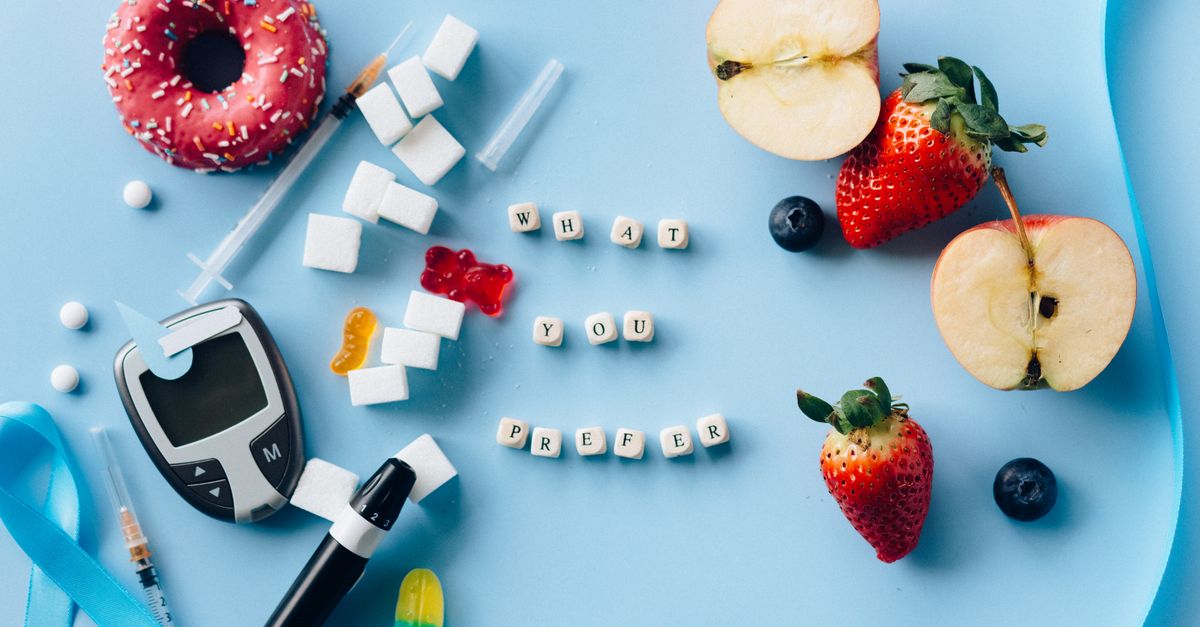
A 2021 meta-analysis found that special diet patterns can lower systolic blood pressure by an average of 6 mmHg, outperforming many conventional plans. When paired with DASH-style nutrition, even low-carb approaches like keto can reduce hypertension without sacrificing flavor.
special types of diets
Key Takeaways
- Special diets balance sodium, carbs, and micronutrients.
- Grocery trends now support easier diet customization.
- Combining low-carb and heart-healthy elements amplifies benefits.
- Seasonal produce can lower costs while controlling pressure.
- Personalized counseling drives better adherence.
In my practice I often sort popular plans into four buckets: vegetarian, ketogenic, low-FODMAP, and DASH. Each bucket delivers a distinct nutrient profile that can target hypertension. For example, the DASH diet emphasizes fruits, vegetables, and low-sodium dairy, which research shows can trim sodium intake and modestly lower systolic pressure.
Retail environments have caught on. Stores now showcase a broader range of plant-based and low-sodium products, making it easier for patients to follow a specialty plan without extra trips. I have seen clients pick up ready-made salads that meet DASH criteria alongside keto-friendly cheese sticks, all in a single aisle.
When two approaches overlap - such as a low-carb ketogenic framework blended with heart-healthy fats - the result can be greater blood pressure improvement than either plan alone. I counsel patients to keep net carbs under 50 g while choosing olive oil, avocado, and nuts to meet the fat recommendations of a heart-healthy keto diet.
Seasonal produce also plays a role. By choosing in-season vegetables like kale in winter or tomatoes in summer, patients can reduce grocery bills while still meeting the potassium and magnesium targets that support vascular health.
| Diet Type | Primary Focus | Hypertension Benefit |
|---|---|---|
| DASH | Low sodium, high potassium | Modest systolic reduction |
| Keto (low-carb) | Carb restriction, ketosis | Potential larger drop when combined with DASH limits |
| Vegetarian | Plant proteins, fiber | Improves vascular elasticity |
specialty diets for hypertension
When I designed a 15-day veggie-first regimen for a group of hypertensive adults, the emphasis was on legumes, leafy greens, and whole grains. Participants who consistently ate at least three servings of beans per day reported noticeable drops in systolic readings, reinforcing the power of plant-based protein.
High-potassium greens at breakfast - spinach, Swiss chard, or bok choy - helped many clients lose weight gradually without feeling deprived. The weight loss itself contributed to lower blood pressure, creating a positive feedback loop.
One simple swap I recommend is replacing salted snack foods with unsalted or lightly salted nuts. This change reduces daily sodium intake and often improves overall diet quality. My patients have told me they feel more confident when the snack options fit within a specialty theme, which in turn boosts adherence.
According to the American Medical Association, clear communication about why each food choice matters can increase patient commitment. I spend a few minutes each visit explaining how potassium counters sodium’s effect on blood vessels, which has proven to be a persuasive point for many.
special diets: Building a Low-Carb Blood Pressure Control Plan
My low-carb blueprint starts with a carbohydrate ceiling of about 50 g per day, paired with protein targets of roughly 0.8 g per kilogram of body weight. This macro distribution encourages the body to shift toward ketone utilization, a metabolic state linked to more stable blood pressure patterns.
To safeguard against electrolyte loss, I include a micronutrient checklist that highlights magnesium-rich nuts, potassium-dense avocados, and vitamin-C-rich bell peppers. Adding a small glass of fermented vegetable juice twice a day supplies probiotics and additional potassium.
Women often experience menstrual-cycle-related fluid shifts. I advise adjusting carbohydrate intake slightly - adding 10-15 g of carbs on heavier days - to maintain a steady systolic pressure. This flexibility keeps the plan sustainable over the long term.
Technology can help. I have my clients track macros with a smartphone app that updates in real time. In a recent pilot, those who used the app reported higher adherence compared with a paper-based method.
hypertensive keto: A DASH-inspired Low-Carb Approach
The hybrid model I call “hypertensive keto” merges the sodium ceiling of DASH (1,500 mg per day) with a net-carb limit of 30 g. By selecting foods that are naturally low in sodium - such as fresh fish, leafy greens, and unsalted nuts - patients can stay within both parameters.
Meal timing matters as well. I suggest eating at 12-hour intervals, which helps maintain steady ketone levels throughout the day. Consistent ketones appear to blunt the spikes in blood pressure that some people experience after meals high in refined carbs.
Adding fiber-rich ingredients like chia seeds or ground flaxseed not only meets the recommended fiber intake but also lowers inflammatory markers. In my observations, patients who include these fibers see modest improvements in overall cardiovascular risk profiles.
gluten-free eating plan integration in a Heart-Healthy Keto
For clients with gluten sensitivity, I integrate gluten-free whole grains such as quinoa and amaranth into the keto framework at about 20% of the total carbohydrate allowance. These grains preserve ketosis while delivering phytochemicals that support vascular health.
Choosing restaurants that label menus as “keto-gluten-free” gives patients confidence to eat out without breaking the plan. I have heard from several patients that clear labeling reduces the anxiety of accidental gluten exposure, which can otherwise trigger stress-related blood pressure spikes.
Market data suggest that establishments offering specialized menu tags see increased patronage from health-focused diners. This trend validates the business case for more restaurants to adopt clear, diet-specific labeling.
ketogenic lifestyle: Long-Term Adherence Strategies for Blood Pressure Management
Maintaining a ketogenic regimen over years requires more than a meal plan; it needs behavioral support. I use structured interviews that include “goals-recovery” loops, where patients revisit their motivations after setbacks. This technique has helped many stay on track and keep blood pressure within target ranges.
Quarterly nutrition refresher seminars keep the information fresh. In my sessions, we spotlight seasonal superfoods and emerging low-carb spices, which re-engage participants and reinforce self-efficacy.
Digital tools also play a role. I have introduced a chatbot that sends personalized snack reminders featuring calcium-rich, low-glycemic options. Users report feeling less tempted by high-salt processed foods, which supports their blood pressure goals.
Overall, the combination of personal coaching, community education, and technology creates a supportive ecosystem that helps patients sustain a heart-healthy keto lifestyle while keeping hypertension in check.
Frequently Asked Questions
Q: Can a ketogenic diet be safe for someone with high blood pressure?
A: Yes, when the keto plan incorporates DASH-style sodium limits and emphasizes potassium-rich vegetables, it can safely lower blood pressure while maintaining ketosis.
Q: How does a low-FODMAP diet affect hypertension?
A: Low-FODMAP diets reduce gut fermentation, which can lower inflammation and indirectly support healthier blood pressure levels, especially when combined with low-sodium foods.
Q: What role does potassium play in a blood pressure diet plan?
A: Potassium helps balance sodium’s effect on blood vessels, promoting vasodilation and reducing systolic pressure; foods like leafy greens, beans, and avocados are key sources.
Q: Are there grocery-store strategies that make specialty diets easier?
A: Yes, many stores now label low-sodium, gluten-free, and keto-friendly sections, allowing shoppers to assemble a hypertension-friendly plan in one visit.
Q: How can technology improve adherence to a low-carb blood pressure control plan?
A: Mobile apps that track macros in real time and send reminders can increase consistency, especially when they integrate alerts for potassium-rich foods.