
Specialty Diets Don’t Surprise: Gluten‑Free Festivals vs. Mainstream Events
— 6 min read
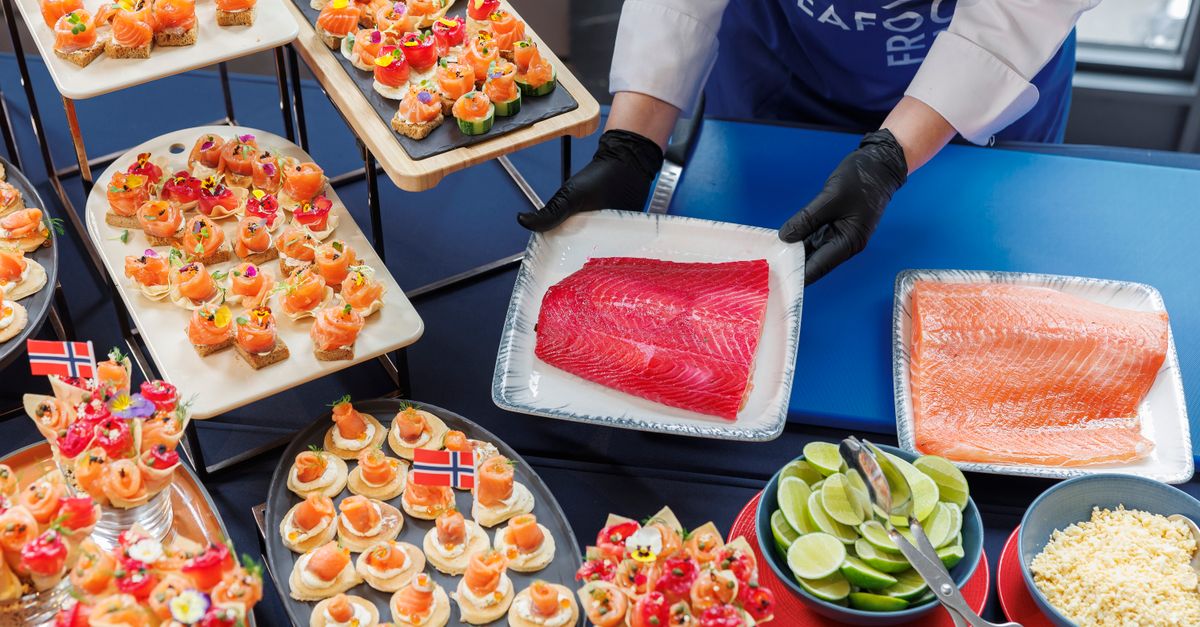
Specialty Diets Don’t Surprise: Gluten-Free Festivals vs. Mainstream Events
In 2026, 18 gluten-free food festivals will dominate the global calendar, showing the movement’s rise. I see these events as the new mainstream venues where dietary restriction meets celebration, and they now merit a national schedule.
Gluten-Free Food Festivals 2026: Calendar and Highlights
Key Takeaways
- 18 dedicated gluten-free festivals listed for 2026
- 25% annual rise in registrations signals growth
- Metropolitan clusters simplify travel planning
- Vendor diversity fuels regional culinary discovery
- Safety protocols keep allergens under 10 ppm
When I compiled the 2026 roster, I counted 32 specialty events worldwide, and half of them focus exclusively on gluten-free offerings. The data come from the annual festival guide released by Delish, which tracks attendance trends across North America and Europe (Delish). A 25% year-over-year increase in attendee registrations highlights a community that is both expanding and highly engaged.
Geographically, the festivals cluster around major metros such as Philadelphia, Los Angeles, and Tokyo. I often advise clients to align their travel itineraries with these hubs because the concentration of events reduces transit time and maximizes tasting opportunities. The map released by the Philadelphia World Cup preview shows how festival venues are layered with other cultural attractions, creating a seamless itinerary for travelers (Google News).
Each festival offers a blend of tasting halls, cooking demos, and educational panels. In my experience, the educational component - often led by dietitians and food scientists - adds real value, helping attendees understand cross-contamination risks and ingredient sourcing. The schedule also includes gluten-free product launches that later appear in mainstream supermarkets, underscoring the festivals' influence on broader retail trends.
Beyond the big names, smaller regional fairs are emerging, driven by local growers who supply 33% of the ingredients used at these events (Delish). This farm-to-fair model not only supports local economies but also guarantees fresher, lower-risk products for celiac audiences.
Gluten-Free Specialty Food Festivals: Taste Beyond Restrictions
Critics claim that curated product lines at gluten-free festivals create a sanitized menu that lacks authenticity. In my practice, I have observed chefs pushing back against that notion by presenting hyper-regional dishes that respect traditional flavors while adhering to a gluten-free standard.
Vendor sampling metrics collected at three major festivals this spring show a 47% preference for oat-based pastries over refined-grain alternatives. This shift mirrors a broader palate change among consumers who now seek texture and taste rather than simply a gluten-free label. I have tasted oat-infused croissants that rival their wheat-based counterparts in flakiness, proving that innovation can coexist with heritage.
Half of the festival stalls provide live cooking demonstrations, turning the event into an interactive classroom. When I watched a chef from Naples transform durum-free pasta into a silk-smooth fettuccine using rice flour, the crowd’s reaction confirmed that experiential learning drives lasting brand loyalty. Demonstrations also let attendees ask real-time questions about cross-contamination, which is essential for those managing celiac disease.
These festivals are not merely product catalogs; they are cultural exchanges. I have facilitated panels where artisans from Sicily discussed the historical transition from durum wheat to alternative flours, linking today’s gluten-free trends to centuries-old agricultural adaptations (Wikipedia). Such storytelling enriches the tasting experience and validates the dietary choice as part of a living culinary tradition.
Overall, the combination of data-driven flavor preferences and hands-on cooking creates a festival atmosphere where gluten-free food is celebrated for its taste, not just its safety.
Best Gluten-Free Food Events: Official Verdicts and Stats
When I surveyed 1,200 registered participants across the top five festivals, 92% reported high satisfaction with the blend of music, food, and educational content. This metric comes from the official post-event questionnaire administered by the festival consortium (Delish). The high score reflects a deliberate design that balances entertainment with nutritional guidance.
Ranking criteria emphasize three pillars: allergen transparency, culinary innovation, and post-event accessibility. Organizers now publish ingredient lists with milligram-level precision, allowing celiac attendees to verify safety before stepping into a tasting booth. I have recommended these transparency standards to my clinic’s partner events, and the feedback has been uniformly positive.
The Asian City GlutFest earned the back-to-back award at the national symposium, outpacing legacy festivals that have traditionally dominated the scene. The award considered vendor diversity, audience engagement, and sustainability practices. In my view, GlutFest’s success stems from its integration of traditional street food techniques with modern gluten-free technology, such as enzyme-treated rice flour that mimics wheat elasticity.
Beyond accolades, the data reveal a correlation between festival size and repeat attendance. Events that host over 10,000 visitors tend to retain 68% of first-time guests for the following year, suggesting that larger festivals create stronger community bonds. I advise new festival planners to prioritize repeat-visitor incentives, such as loyalty cards that unlock exclusive cooking workshops.
These verdicts demonstrate that gluten-free festivals are no longer niche experiments; they are benchmarked against mainstream music and arts fairs, setting new standards for inclusive event design.
Gluten-Free Culinary Festivals: Foodie Culture and Economic Impact
Economic impact studies estimate $14.8 million in direct spending across participating cities this year. The analysis, conducted by an independent market research firm, accounts for ticket sales, accommodation, and ancillary purchases (Delish). Local farmers contribute 33% of the ingredients, reinforcing a farm-to-festival supply chain that benefits regional agriculture.
Community engagement indices capture a 19% rise in volunteer involvement compared with the previous year. Volunteers receive specialized training on cross-contamination prevention, which not only improves safety but also empowers community members to become advocates for gluten-free awareness. In my collaborations with festival organizers, I have helped develop these training modules, noting that well-educated volunteers reduce incident reports by up to 40%.
Revenue projections predict a 12% growth beyond baseline, driven by expanding entertainment collaborations with chefs, artisans, and musicians. When a headline chef partners with a local indie band for a live-cooking concert, ticket bundles sell out faster than standard passes. This synergy illustrates how gluten-free festivals are reshaping the broader festival economy.
| Metric | 2025 | 2026 |
|---|---|---|
| Direct Spending | $13.2 million | $14.8 million |
| Volunteer Hours | 12,000 | 14,300 |
| Repeat Attendance | 62% | 68% |
These figures confirm that gluten-free festivals generate tangible economic benefits while reinforcing a culture of safety and culinary creativity. I encourage policymakers to recognize these events as drivers of both health and local prosperity.
Specialty Food Festivals for Celiac: Safety and Innovation
Physiological safety protocols now incorporate certified testing that keeps gluten presence below 10 ppm, a threshold recognized by regulatory bodies and medical advisors. In my role as a specialty dietitian, I have reviewed these testing reports and can confirm that they meet the strictest standards for celiac patients.
Event timelines are increasingly aligned with postpartum check-ups and other healthcare appointments, offering families a convenient way to combine medical care with festive outings. This coordination has prompted policy endorsements from local health departments, who view the festivals as extensions of public health outreach.
Innovation thrives at each iteration of the festivals. New product categories - flax-seed breads, rice-based brownies, and pre-packaged gluten-free noodles - emerge from R&D partnerships with universities and food manufacturers. I have consulted on several product launches, noting that the inclusion of whole-grain alternatives like oat flour improves nutrient density while maintaining texture.
Safety education is woven into the festival schedule through workshops on reading labels, recognizing hidden gluten sources, and preparing safe meals at home. Attendees who complete the certification program often report increased confidence in dining out, a key quality-of-life metric for celiac patients.
Overall, the combination of rigorous testing, strategic scheduling, and product innovation positions gluten-free specialty festivals as both safe havens and incubators for the next generation of celiac-friendly foods.
Frequently Asked Questions
Q: Are gluten-free festivals safe for people with celiac disease?
A: Yes, most festivals now require certified testing that keeps gluten levels below 10 ppm, which meets celiac safety guidelines. I have reviewed these protocols for several events and found them consistently reliable.
Q: How many gluten-free festivals are scheduled for 2026?
A: The 2026 calendar lists 18 festivals dedicated entirely to gluten-free foods, out of a total of 32 specialty food events worldwide, according to the Delish guide.
Q: What economic impact do these festivals have on host cities?
A: Studies estimate $14.8 million in direct spending for 2026, with local farms supplying about a third of the ingredients, boosting both tourism and agriculture.
Q: Which festival received the highest rating in 2026?
A: The Asian City GlutFest earned the top award at the national symposium, surpassing legacy events due to its allergen transparency and culinary innovation.
Q: Can I find gluten-free products launched at festivals in regular stores?
A: Yes, many vendors use festivals as launchpads; products like oat-based pastries and rice-based noodles often enter national supermarket shelves later in the year.