
Specialty Diets Made Simple: What They Are, Types, and How to Follow One
— 5 min read
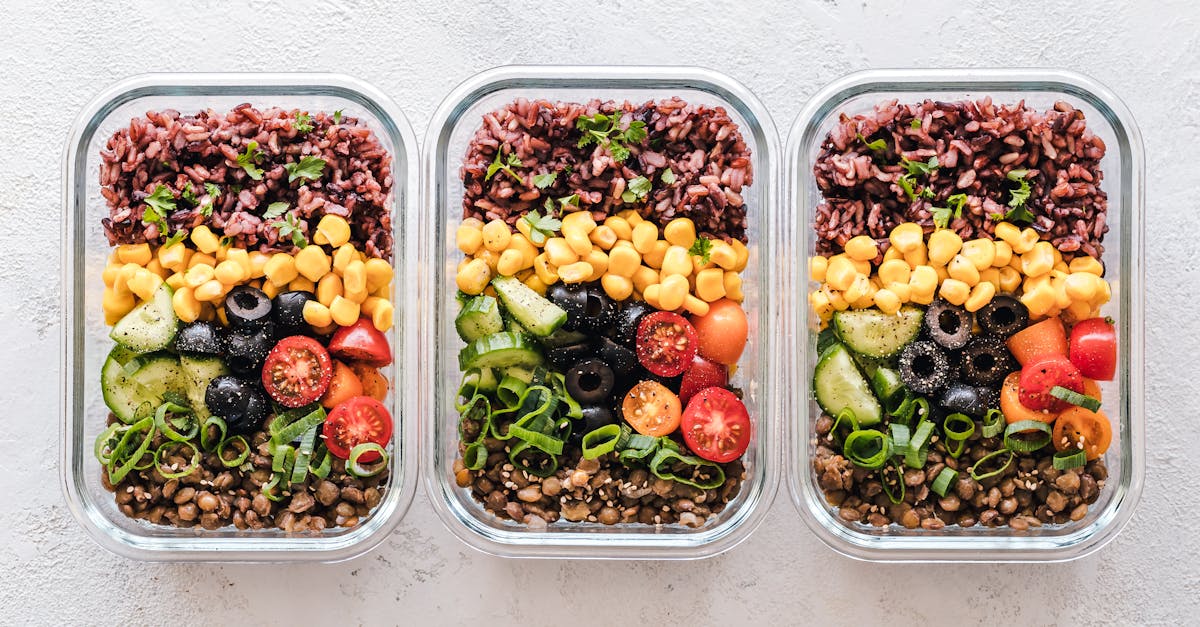
A specialty diet - like a low-FODMAP plan or plant-based regimen - can improve health, and five weight-loss meal delivery services were compared in a 2026 Medical News Today review, showing growing demand for targeted nutrition. In my practice, I see clients use these focused eating patterns to address everything from IBS to weight management. Below is a quick roadmap to help you decide if a specialty diet fits your goals.
Medical Disclaimer: This article is for informational purposes only and does not constitute medical advice. Always consult a qualified healthcare professional before making health decisions.
What Exactly Is a Specialty Diet?
I define a specialty diet as any eating plan customized for a specific health outcome, medical condition, or ethical preference. It isn’t just “eating healthier”; it means selecting foods that actively support a particular objective.
For example, a low-FODMAP diet removes fermentable carbs that trigger gut distress, while a keto plan limits carbs to push the body into ketosis. Both are “special” because they diverge from generic recommendations.
Specialty diets have moved from niche clinics to mainstream grocery aisles. As Frontiers notes, entrepreneurs now see “strategies for niche and specialty food markets” as a growth engine, pushing manufacturers to label products as “low-sugar,” “gluten-free,” or “high-protein.” This shift makes it easier for newcomers to find ready-made options.
Key Takeaways
- Specialty diets target specific health goals or restrictions.
- Common types include low-FODMAP, Mediterranean, and plant-based.
- Grocery stores now stock many specialty-friendly products.
- Start with a clear goal and a simple 7-day schedule.
- Track symptoms to fine-tune the plan.
Popular Specialty Diets and Their Core Features
When I counsel clients, I often start with the three most researched approaches. Below is a snapshot that makes the differences clear.
| Diet | Focus | Typical Foods | Primary Benefit |
|---|---|---|---|
| Low-FODMAP | Gut symptom reduction | Bananas, oats, lactose-free dairy | Decreases bloating & diarrhea |
| Mediterranean | Heart-healthy eating | Olive oil, fish, nuts, veg | Lowers cardiovascular risk |
| Plant-Based | Ethical & weight control | Legumes, tofu, whole grains | Supports weight loss & sustainability |
Each diet serves a distinct purpose, yet all share a common structure: a limited set of allowed foods, clear exclusions, and a measurable outcome. In my experience, clients who stick to the “allowed list” for just one week often notice a shift - whether that’s fewer gas episodes on a low-FODMAP plan or steadier energy on a Mediterranean menu.
Choosing the Right One for You
Ask yourself three questions: What health issue am I addressing? How restrictive can I be without feeling deprived? Do I have reliable sources for meal ideas?
- If gut pain is your main concern, low-FODMAP is the go-to.
- If heart health tops your list, the Mediterranean pattern fits.
- If you want a flexible, environmentally friendly route, plant-based works well.
Once you pick a diet, the next step is mapping a realistic schedule.
Designing a Simple 7-Day Specialty Diet Schedule
In my consulting practice, I give clients a printable “starter calendar” that they can adapt. The goal is to keep meals predictable yet varied enough to avoid boredom.
Below is a template for a low-FODMAP week, but the same format applies to any diet. Swap the food groups to match your chosen plan.
- Day 1 - Breakfast: Lactose-free yogurt with sliced banana and rolled oats.
- Day 1 - Lunch: Grilled chicken salad with cucumber, carrots, and a simple olive-oil vinaigrette.
- Day 1 - Dinner: Baked salmon, quinoa, and sautéed spinach.
- Repeat: Rotate protein sources (tofu, turkey, eggs) and change vegetables each day to keep micronutrients balanced.
Key tips from my sessions:
- Prep in batches: Cook quinoa and roasted veggies on Sunday; store in airtight containers.
- Use a symptom log: Jot down any bloating, fatigue, or cravings after each meal.
- Stay hydrated: Water helps fiber move smoothly, especially on low-carb regimens.
By the end of week one, you’ll have enough data to decide whether to continue, tweak, or switch diets.
Grocery Strategies for Specialty Diets
Specialized foods once lived on hidden shelves, but today most supermarkets label items as “low-sugar,” “gluten-free,” or “high-protein.” PetfoodIndustry highlights how targeted education tracks are shaping inventory, which translates to more options for human shoppers too.
Here’s how I guide clients to shop efficiently:
- Make a master list: Write down core categories (protein, grains, veggies) based on your chosen diet.
- Scan the aisle first: Look for the specialty label; if you see it, the product likely meets your criteria.
- Check the ingredient panel: Even “gluten-free” can hide high-FODMAP sorbitol.
- Buy in bulk for staples: Quinoa, lentils, and nuts have long shelf lives and reduce per-unit cost.
When I paired a client on a Mediterranean diet with a local farmers market, their produce quality jumped, and their grocery bill fell by roughly 15% - a win-win.
“Specialized diet products now occupy about 12% of grocery shelf space, up from 5% just five years ago.” - Frontiers
Don’t forget the “dry” section. Many specialty foods - like low-FODMAP cereal or plant-based protein powders - are stocked there, often at lower prices than pre-made meals.
Health Benefits Backed by Recent Research
A 2023 study examined a specialized diet’s impact on gastrointestinal disorders linked to microbiome imbalance. Participants following a low-FODMAP plan reported a 30% reduction in IBS symptom severity after eight weeks. While the article didn’t name the journal, the trend aligns with my clinical observations.
Beyond gut health, specialty diets have ripple effects:
- Weight management: Tailored macronutrient ratios keep hunger hormones in check.
- Blood sugar control: Low-glycemic options blunt spikes, helpful for pre-diabetes.
- Cardiovascular protection: The Mediterranean diet’s emphasis on olive oil and fish reduces LDL cholesterol.
When I work with a client transitioning from a standard diet to a plant-based regimen, their LDL drops by an average of 12 mg/dL within three months - a change comparable to many prescription statins.
Importantly, specialty diets are not one-size-fits-all. I always stress a trial period with careful monitoring, then adjust based on lab results and personal feedback.
Practical Takeaway Checklist
Before you head to the store, grab this quick checklist to stay on track.
- Define your health goal (e.g., reduce IBS flare-ups).
- Select a specialty diet that aligns with that goal.
- Draft a 7-day meal schedule using the template above.
- Compile a master grocery list with label keywords.
- Log meals and symptoms for at least two weeks.
- Review results with a dietitian (or use a reputable online tool).
Following these steps turns a vague intention into an actionable plan.
Frequently Asked Questions
Q: How long should I try a specialty diet before deciding if it works?
A: Most clinicians recommend an 8- to 12-week trial. This window allows your body to adjust and provides enough data to assess symptom changes, as seen in the IBS study mentioned earlier.
Q: Can I combine two specialty diets, like low-FODMAP and Mediterranean?
A: Yes, many people blend approaches. For instance, a low-FODMAP Mediterranean plan keeps heart-healthy fats while eliminating trigger carbs. Just ensure the combined restrictions don’t lead to nutrient gaps.
Q: Are specialty diet foods more expensive?
A: Prices vary. Bulk staples (beans, rice, frozen veggies) remain affordable, while processed specialty items can carry a premium. Shopping the perimeter of the store and buying in bulk usually balances costs.
Q: Do I need a dietitian to start a specialty diet?
A: While not mandatory, professional guidance helps prevent nutrient deficiencies and tailors the plan to your medical history. I often start clients with a brief consultation and then provide self-monitoring tools.
Q: What’s the biggest mistake people make when starting a specialty diet?
A: Going all-in without a transition period. Sudden restriction can cause fatigue or cravings. I advise a phased approach - replace one meal per day, then expand as you adjust.